In short
Problem. A personal assistant I can talk to, interrupt and reach from my phone, with its private tools kept on hardware I own.
What I built. A voice assistant I can talk to and interrupt mid-sentence, with dozens of tools. The AI model, with 27 billion parameters, runs on one RTX 5080 graphics card in my PC. Speech recognition and the voice run on the same PC's main processor. Hard research goes to cloud AI workers that can think but never touch my machine.
What I measured. How fast it writes an answer, how long it takes to start replying, and what each design choice costs, each tested side by side on that card. One wrong setting had quietly made three of my earlier conclusions wrong.
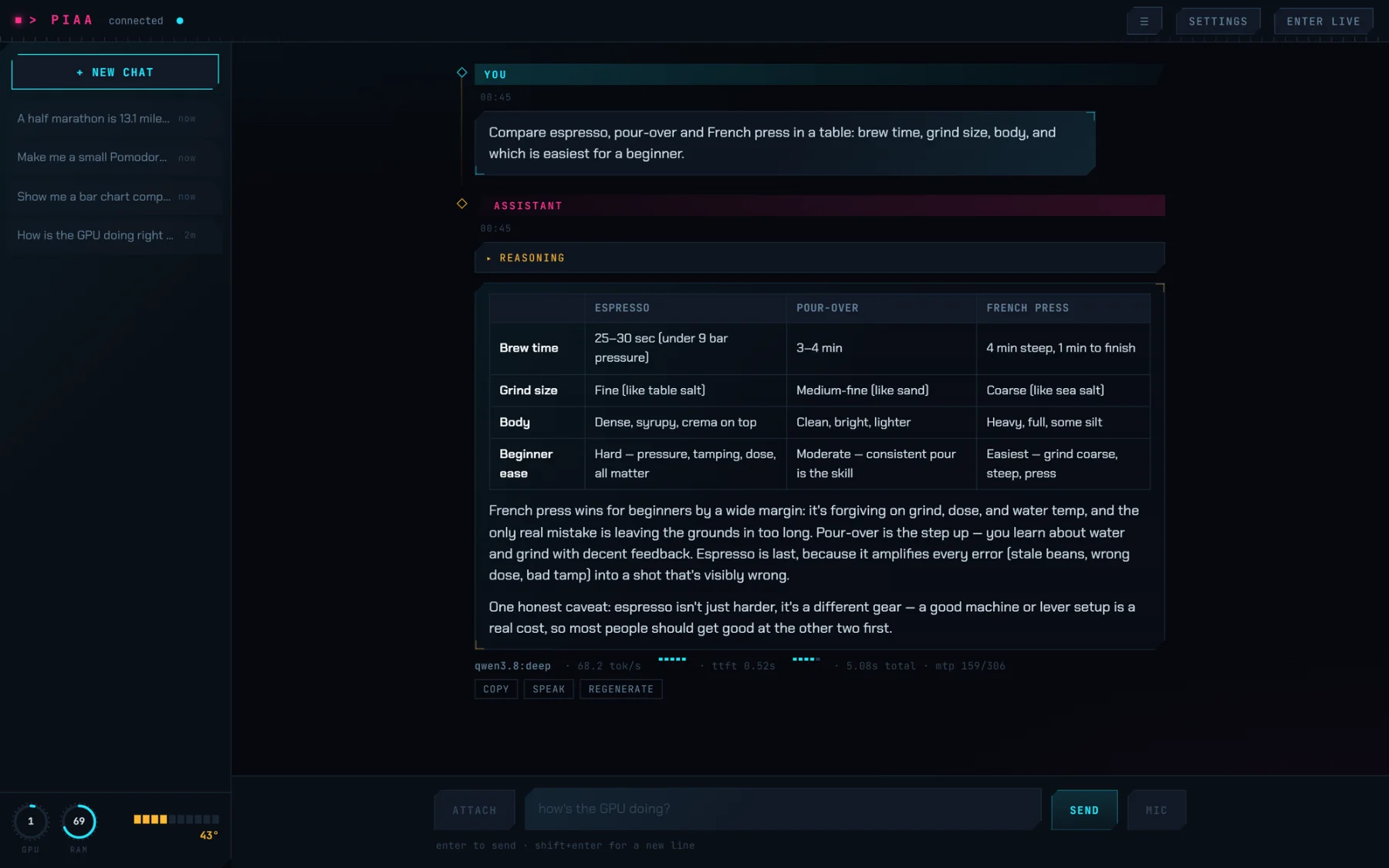
What it looks like
Real answers from Piaa on my PC. For these screenshots it ran on an empty profile with an invented inbox and invented WhatsApp chats, so none of my own chats, mail or files appear.
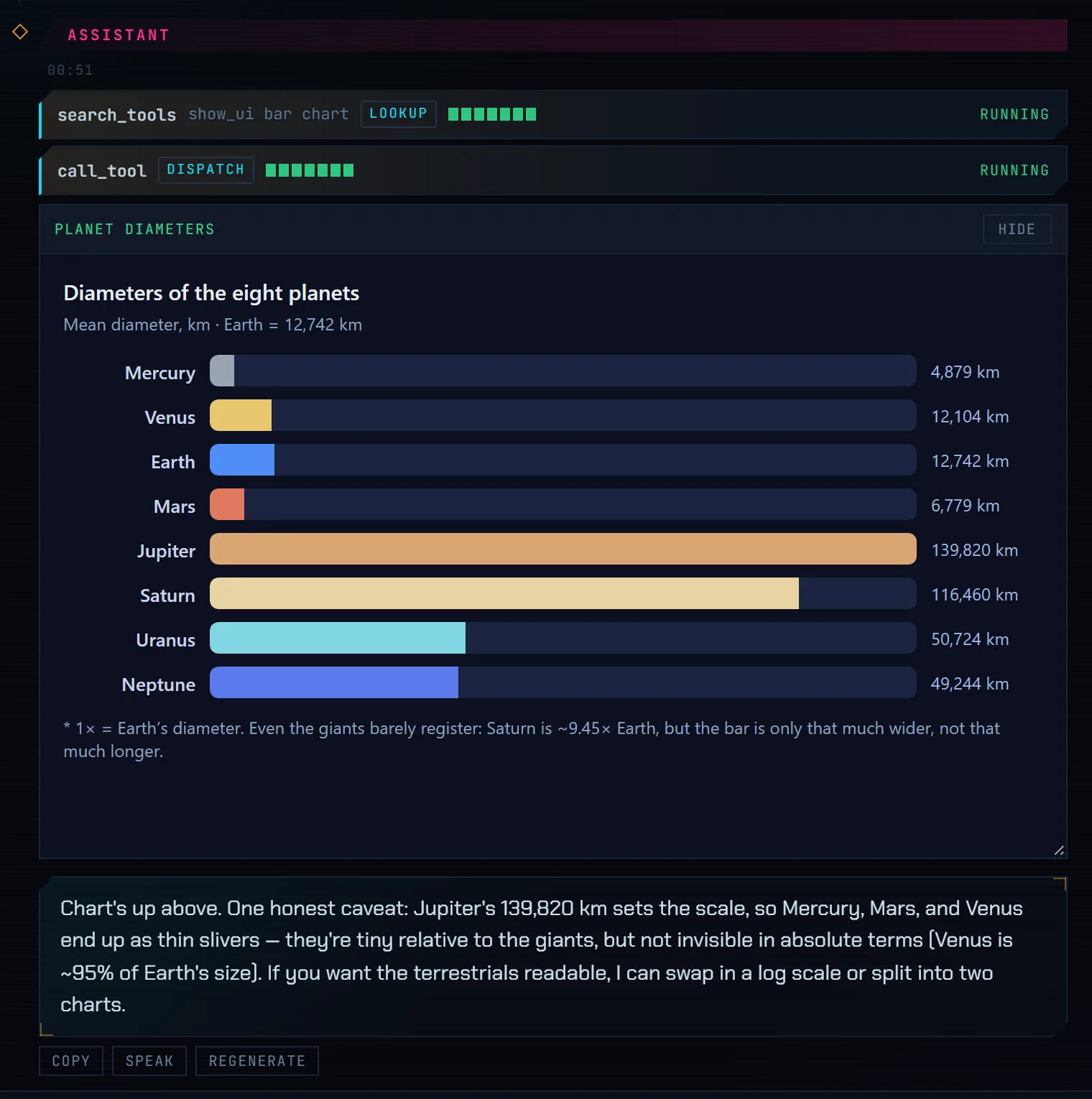
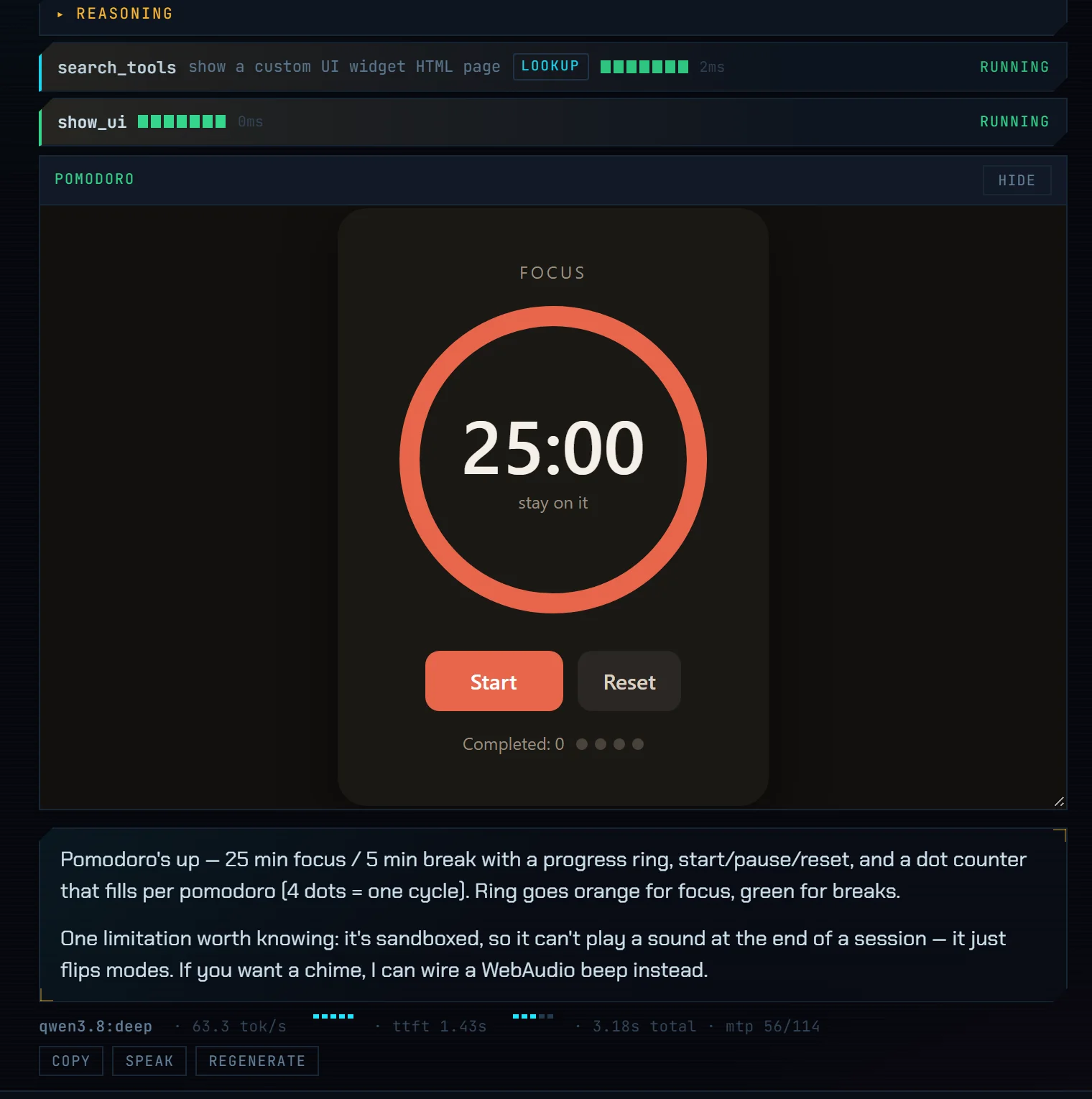
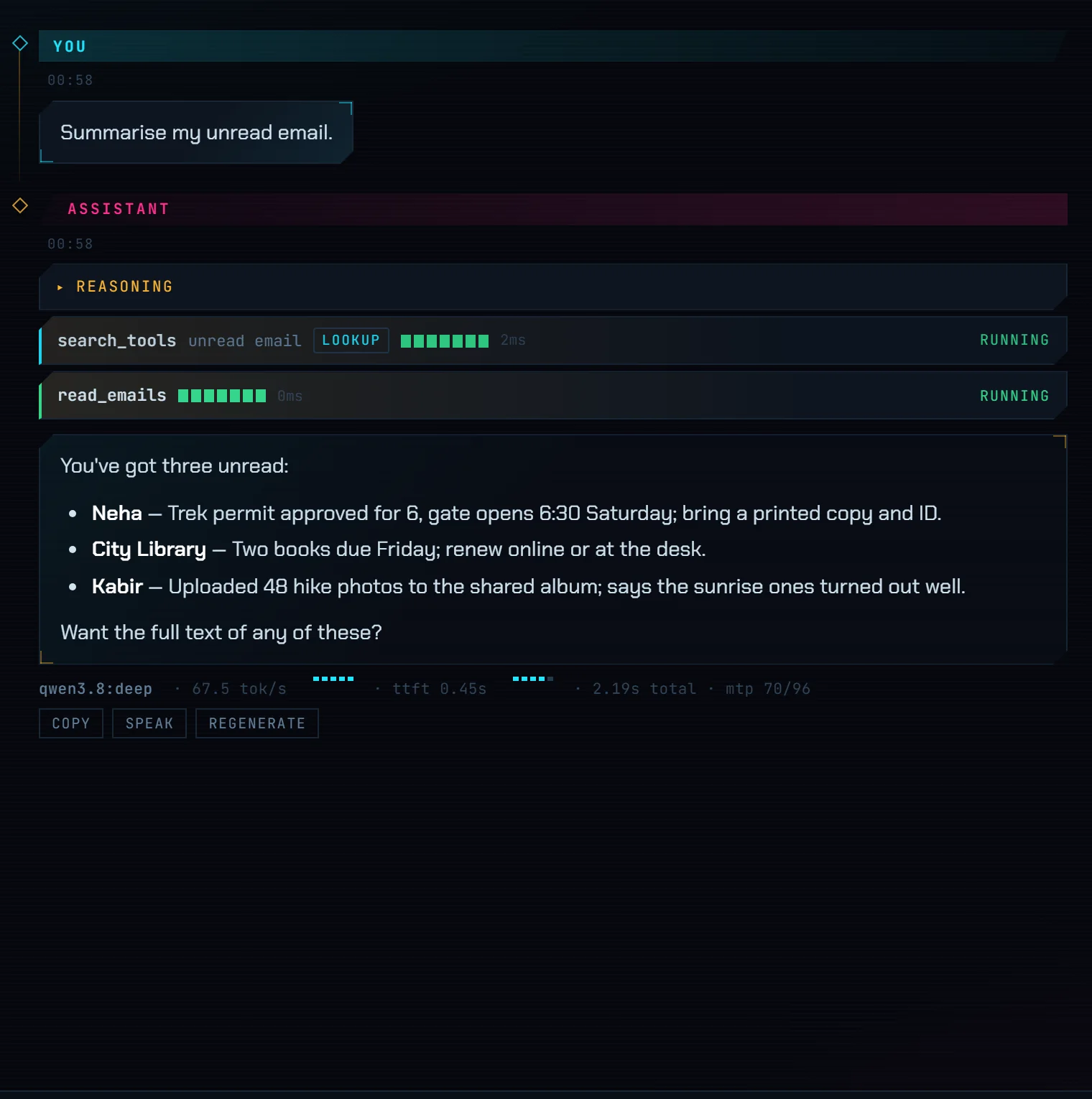
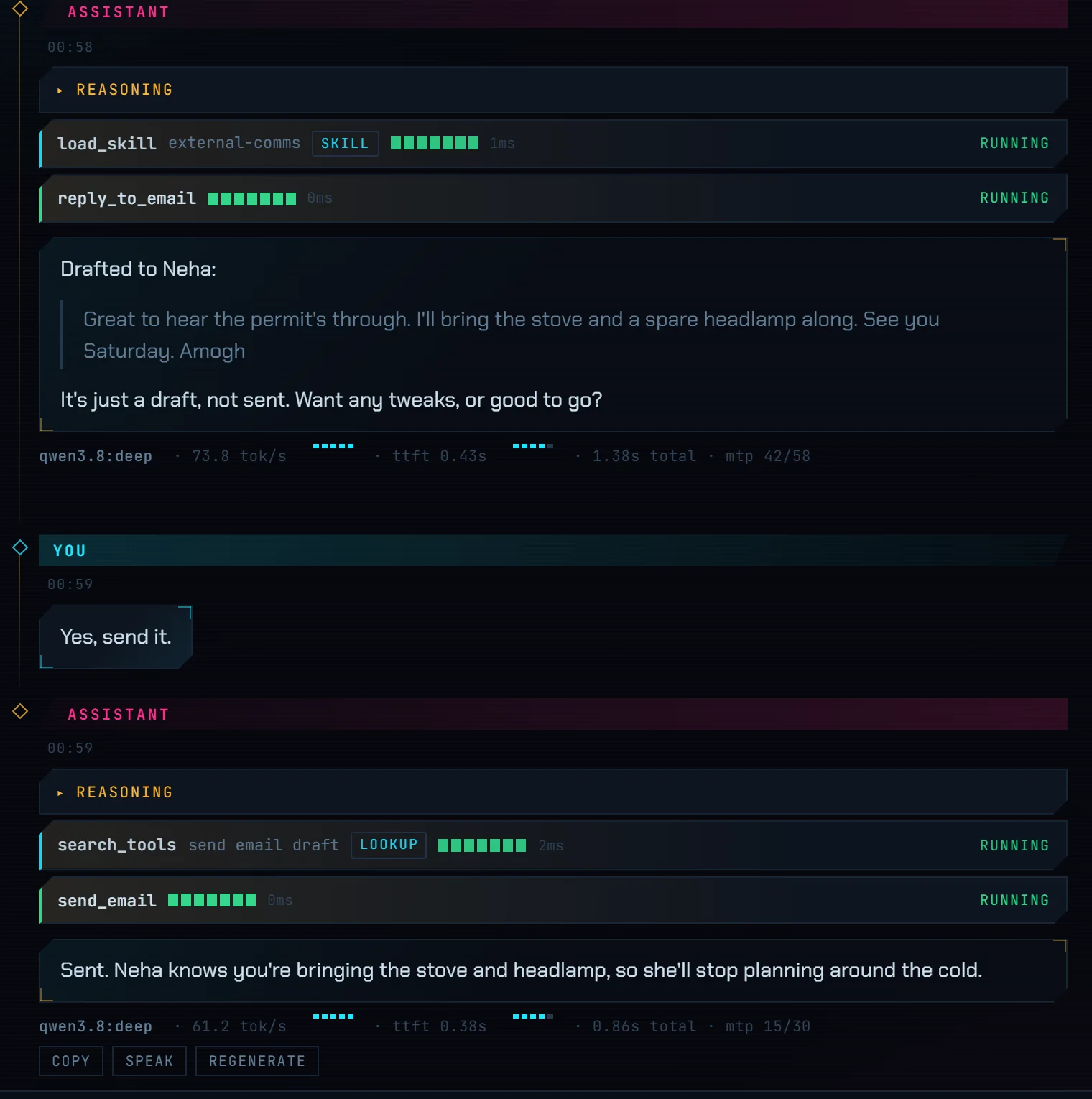
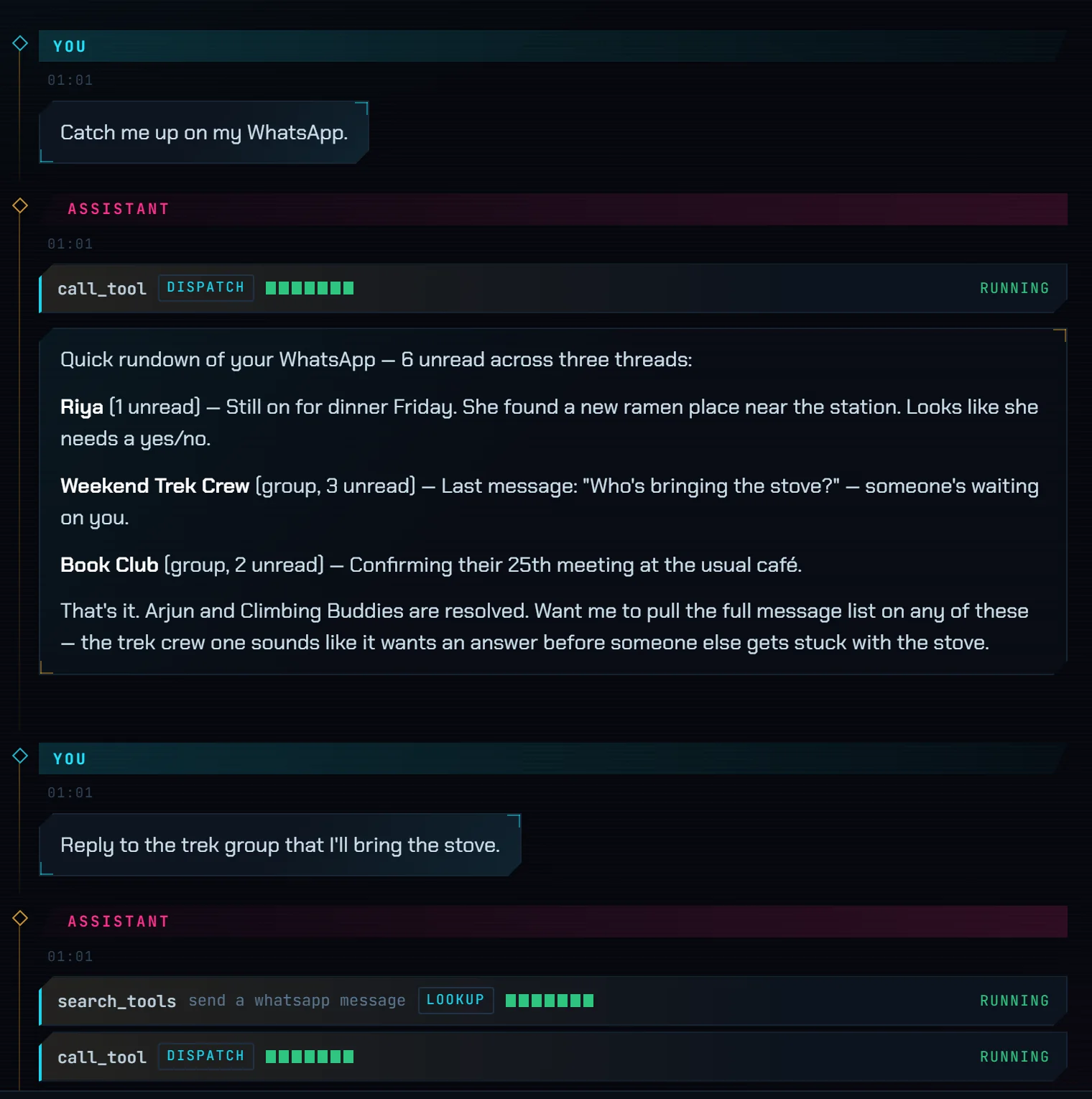
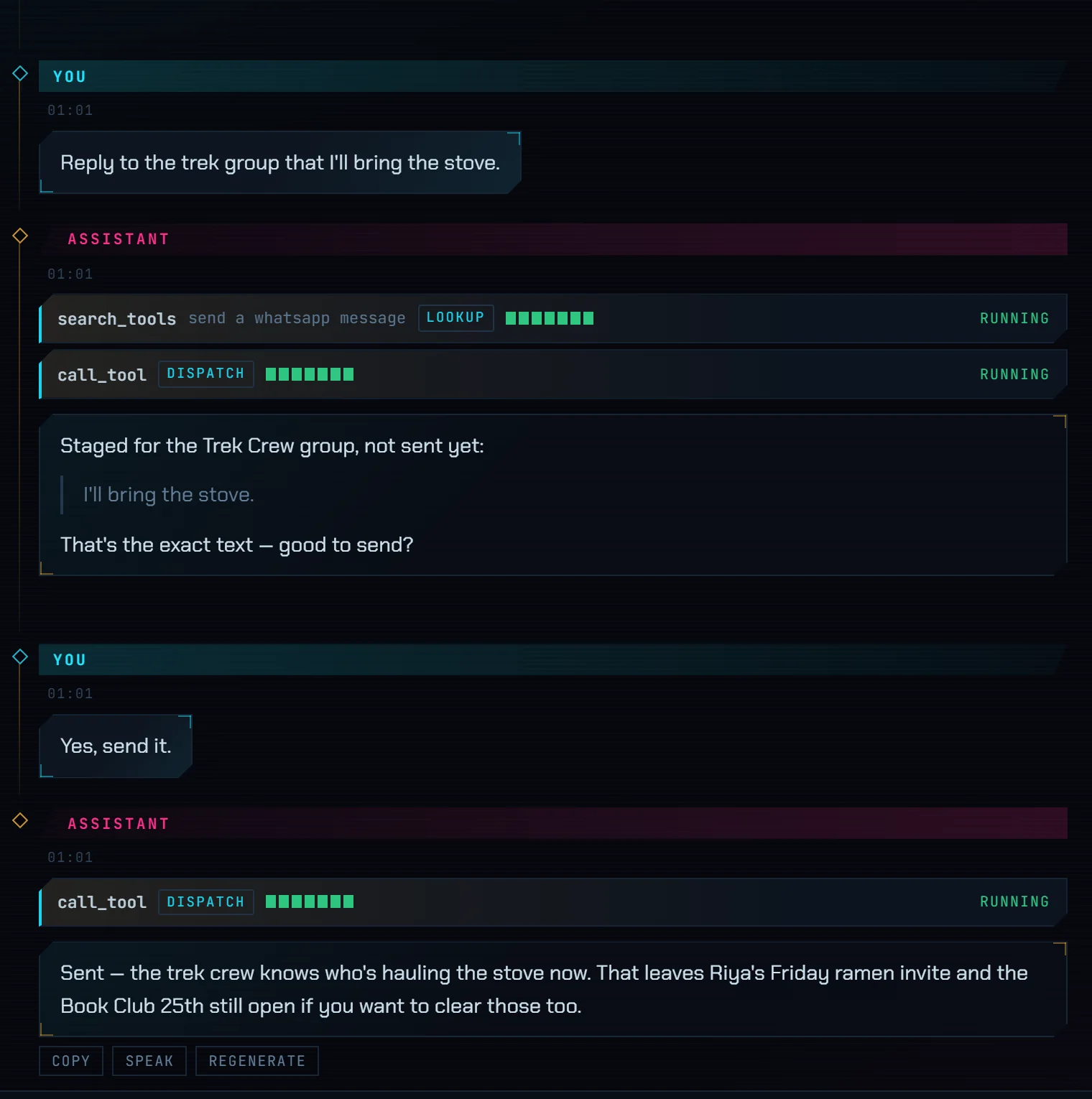

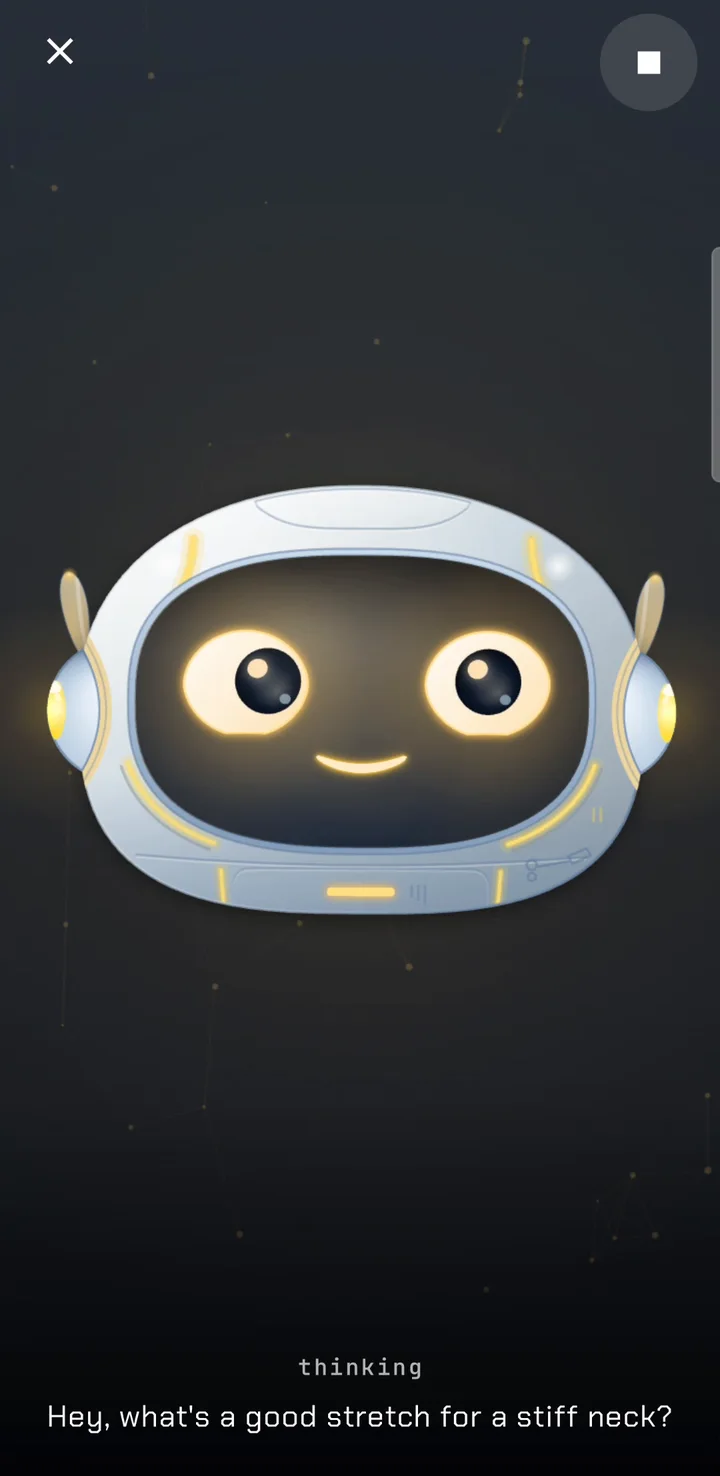
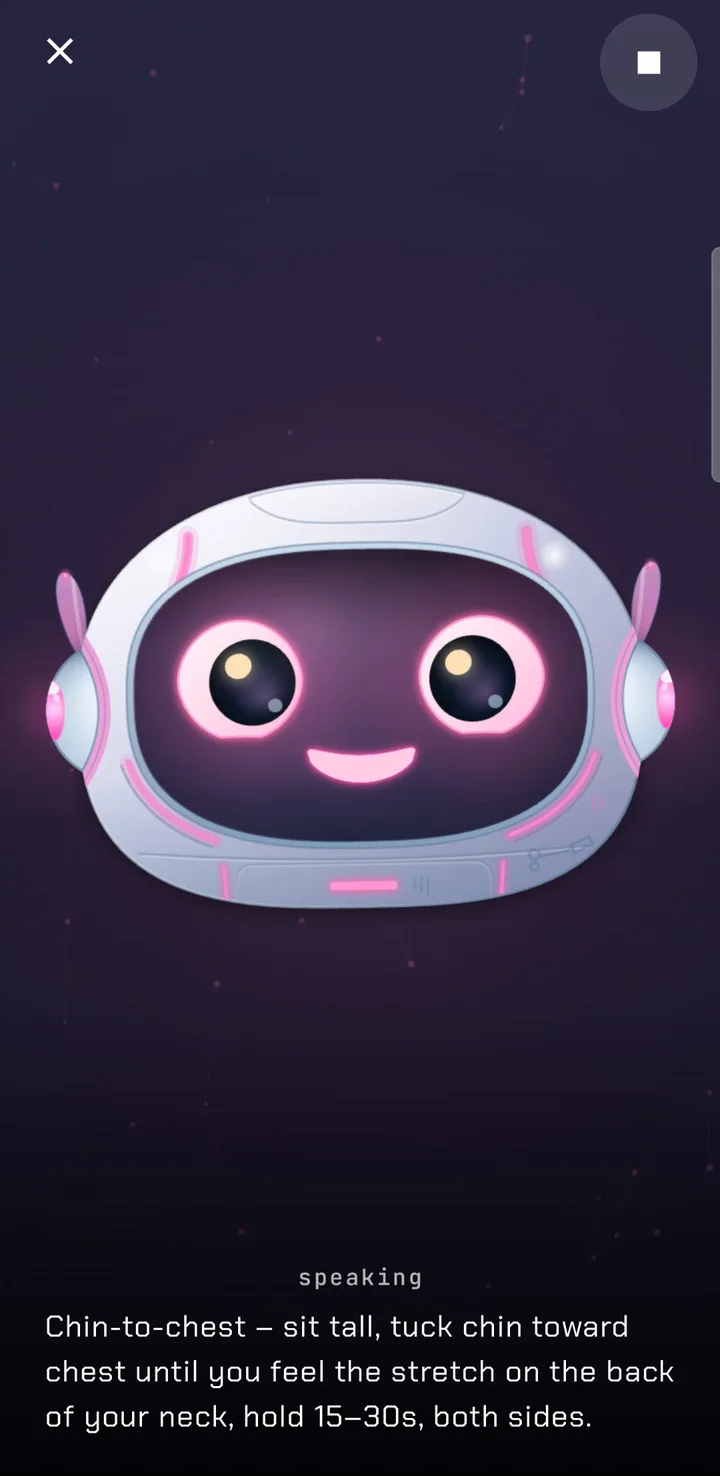
Transcript of the recording
Me: Hey, what's a good stretch for a stiff neck?
Piaa: Chin-to-chest – sit tall, tuck chin toward chest until you feel the stretch on the back of your neck, hold fifteen to thirty seconds, both sides. Then ear-to-shoulder – tilt right ear toward right shoulder (no hunching), gentle pull with your hand if needed, hold fifteen to thirty seconds, switch. Do it a couple of times, slow, no snatching — you're after a comfortable pull, not a stretch that makes you wince. If it's been niggling for days or comes with tingling down the arm, that's a “see someone” situation, not a stretch situation.
Me: Thank you.
Piaa: Anytime. Now the hard part — actually doing it instead of just saving it to your mental to-do list.
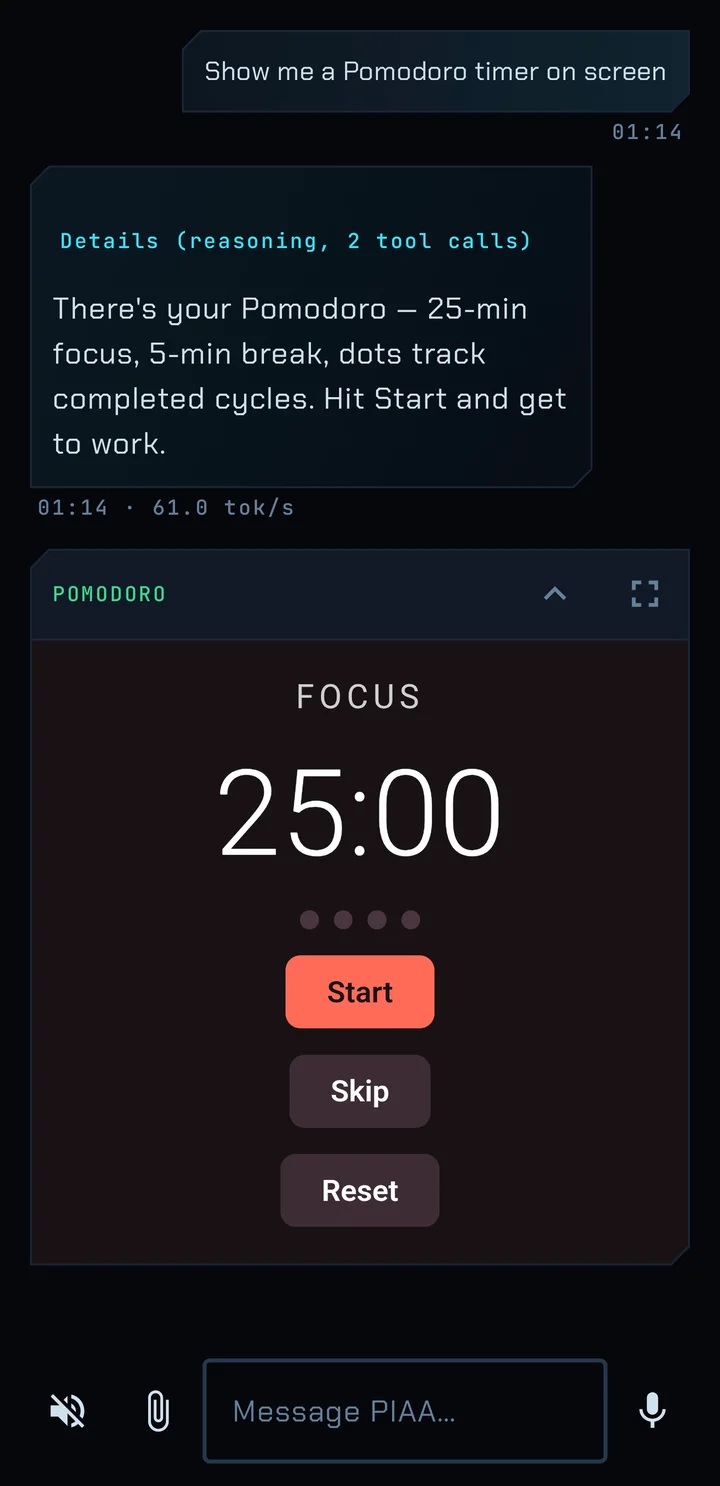
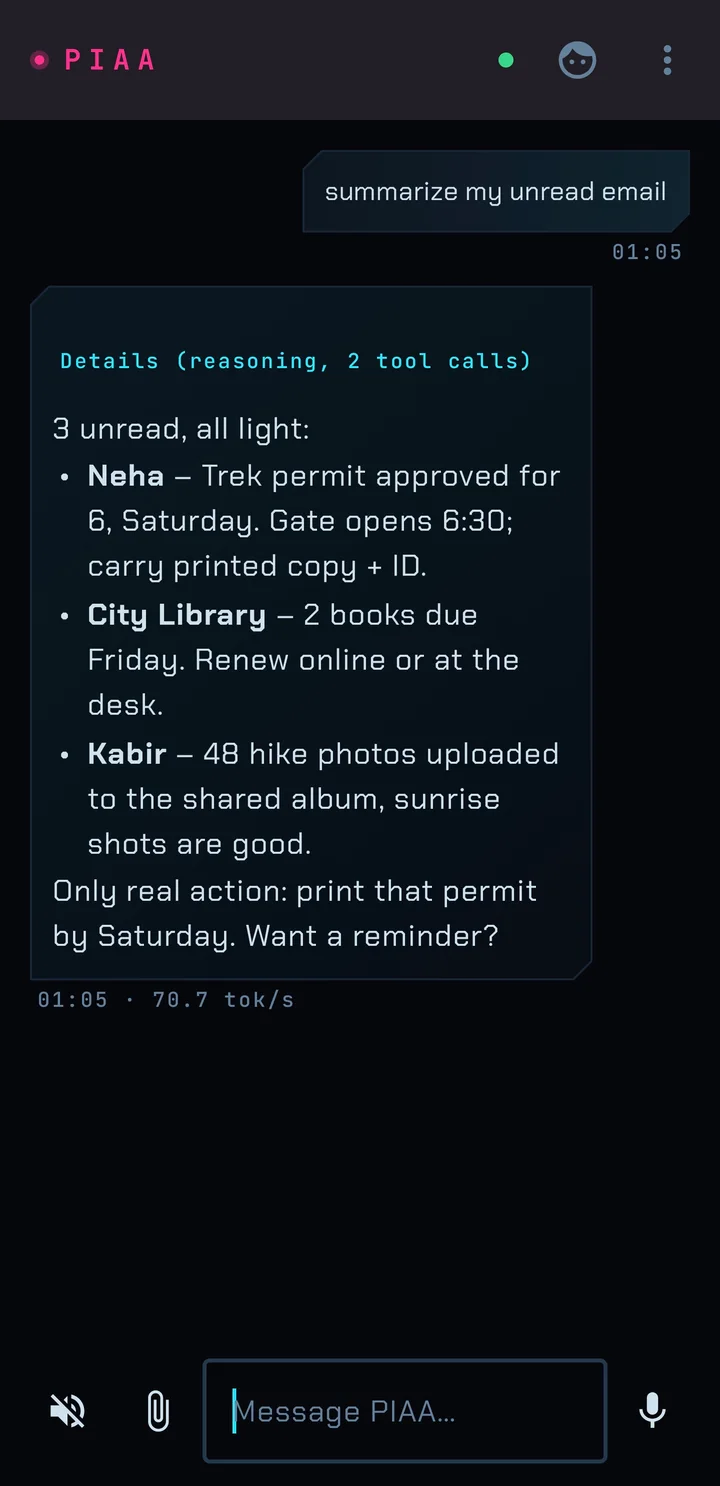
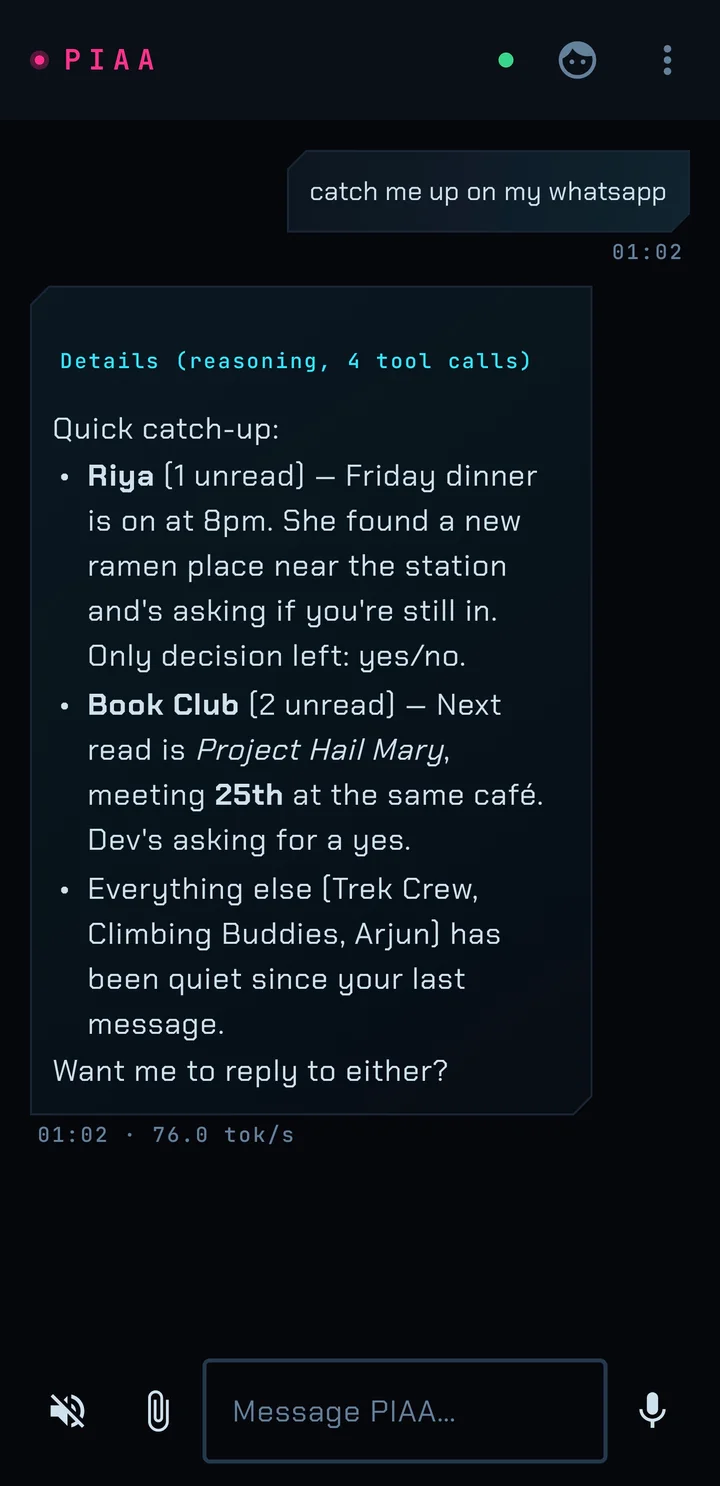
1Context
Piaa stands for Personal Intelligent Assistant of Amogh. It is the assistant I wanted, my own Jarvis. You talk, it talks back, you can interrupt it, and it does real work across mail, WhatsApp, calendar and files. It remembers what I tell it, sets reminders and speaks up when background research finishes. I can also restart it from my phone. Everything personal stays on my own PC.
I built it over about three weeks in August and September 2026, and I still run experiments on it. I am its only user, so this is a deep engineering project, with no audience to speak of.
2Constraints
I have one RTX 5080 with 16,303 MiB of VRAM. It runs on Windows, where the display driver model decides how GPU contexts share that memory. And the voice loop has to stop talking the moment I interrupt it.
illustrative
- Decode
- 38.7 tok/s
- output tensor stays on the CPU
- Decode
- 54.2 tok/s
- output tensor on the GPU, 189 MiB of VRAM
weights, cache, buffers output tensor (pen: the one thing that changes)
Most of the design follows from those three. The speech models sit on the CPU, the tools array never changes, and I tested every setting on the card instead of assuming it.
3What I built
I split the work between a brain and hands. The local model holds the private tools. Cloud workers do hard research, but they get no mail, calendar or messaging tools. A worker emits tool calls, my machine executes them under a stricter guard, and the worker is capped at 0.50 USD per run, 2.00 USD per day, eight hops, 24 calls and 480 s.
Sending is always a separate step from writing. Email goes out only as an existing draft, and since no tool can list drafts, in practice it can only send what it wrote itself. Reading the draft back to me first is an instruction to the model, not something the code enforces. WhatsApp is stricter. The send step only accepts a draft made in the same running session, once, within five minutes. Shell commands wait for me to tap confirm.
There's also a native Android app, written in Kotlin with Compose, with the same chat, widgets and live mode.
The turn loop is plain threads and deliberately not asyncio. It handles voice activity detection, speech recognition, the streaming model, sentence-by-sentence speech, and barge-in with echo cancellation. Speech recognition and the voice run on the CPU. That placement is structural, as section 5 shows.
4Measurements
Every reading is a same-session A/B on the same card: one setting changed, one number read. Numbers stored from different sessions drift by several points, so I never compare across sessions.
| Reading | What changed |
|---|---|
| 54.2 tok/s | The offload flag -ngl, from 64 to 99. A gain of 40% for 189 MiB more VRAM. |
| 6,056 ms | A tools array the server had never seen, against one it had. That is 69× slower, so I keep the tools array frozen. |
| 214 ms | A system prompt that stopped carrying a seconds-precision clock. Prompt-cache reuse reached 99.6%. |
| 2,412 tokens | Tools found through search instead of listed up front. Accuracy was about the same, but the model took 84% more hops. |
| 0.4 tok/s | An idle speech model on the GPU created a second CUDA context, which is why my speech models live on the CPU. |
Before: the instructions carried a clock, so nothing could be reused
First word after 4,551 ms
After: the instructions stayed the same
First word after 214 ms
Both sides answer at the same measured speed: 54.2 tok/s.
5What broke
Three of my recorded conclusions were wrong, and all three had the same cause.
| What I had recorded | Status |
|---|---|
| Withdrawn. Measured with the output tensor on the CPU. | |
| Withdrawn. Measured with the output tensor on the CPU. | |
| Withdrawn. Measured with the output tensor on the CPU. |
The model has exactly 64 layers, so -ngl 64 reads as "everything on the GPU". But llama.cpp only offloads the output tensor when the number is greater than the layer count, so mine had been left on the CPU. Since three results failed together, I should have looked for one upstream cause sooner.
Other things I got wrong:
- An idle server collapsed decode. I blamed CPU polling, applied the fix correctly, and nothing changed.
nvidia-smi --query-compute-appsthen showed the real cause, which was a second CUDA context. - A clock in the system prompt. No two turns shared a prefix, and nothing caught it because I never logged prompt time. I now log cache hits and prompt tokens.
- My first tools-array measurement. It was wrong too, because the server keeps more than one prompt state.
- A comparison without a control. I tested an old configuration on a new build and drew the wrong conclusion, so the second round added the control.
6What I'd change
- Build a labelled evaluation set for tool routing before trying another router. My last routing bake-off ended with that lesson.
- Measure first-audio latency again. I last measured it in late August, and a later change probably improved it, so I publish no figure.
- Publish the harnesses. They are self-contained scripts, and I plan to release them as piaa-lab once they are scrubbed of local paths.
7Credits and disclosures
- Open source this stands on: llama.cpp and the beellama.cpp fork, llama-swap, Qwen, Kokoro, Silero, openWakeWord, WebRTC AEC3, nomic-embed and SearXNG.
- Tools: I designed Piaa, built it and ran every measurement on this page. AI coding agents help me write code faster, and the benchmark log and the retraction table are how I check the result.
- Disclosures: a personal system with a private repository. Nobody else uses it, and no claim here is about anyone but me.